
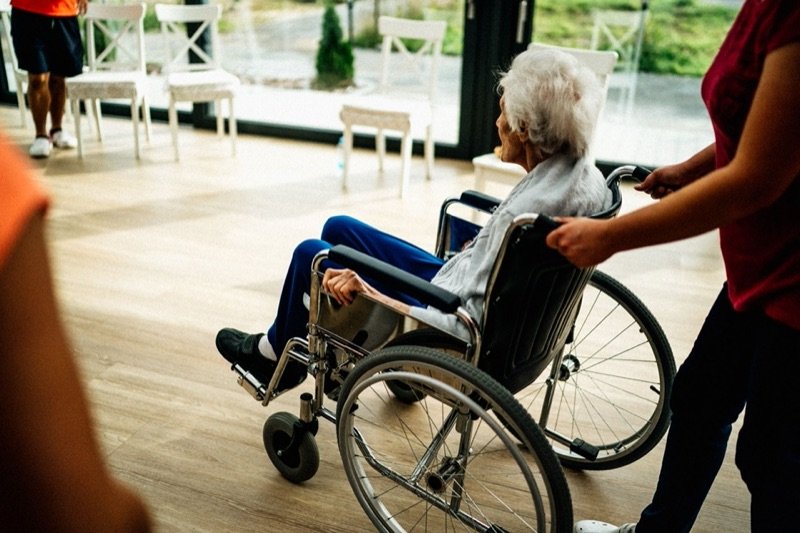
Elderly patients with limited mobility
Where a car transfer means lifting, pain, and a long day out of routine.
Home X-Ray Service
Serving Bengaluru and surrounding areas
For patients who find it difficult to travel to a hospital, we bring the X-ray to them. A certified radiographer visits your home or care facility with portable digital equipment, takes the images without the patient leaving their bed, and sends the report to your phone.
We reach you within 2 hours. In an emergency we can be there sooner, depending on the distance.
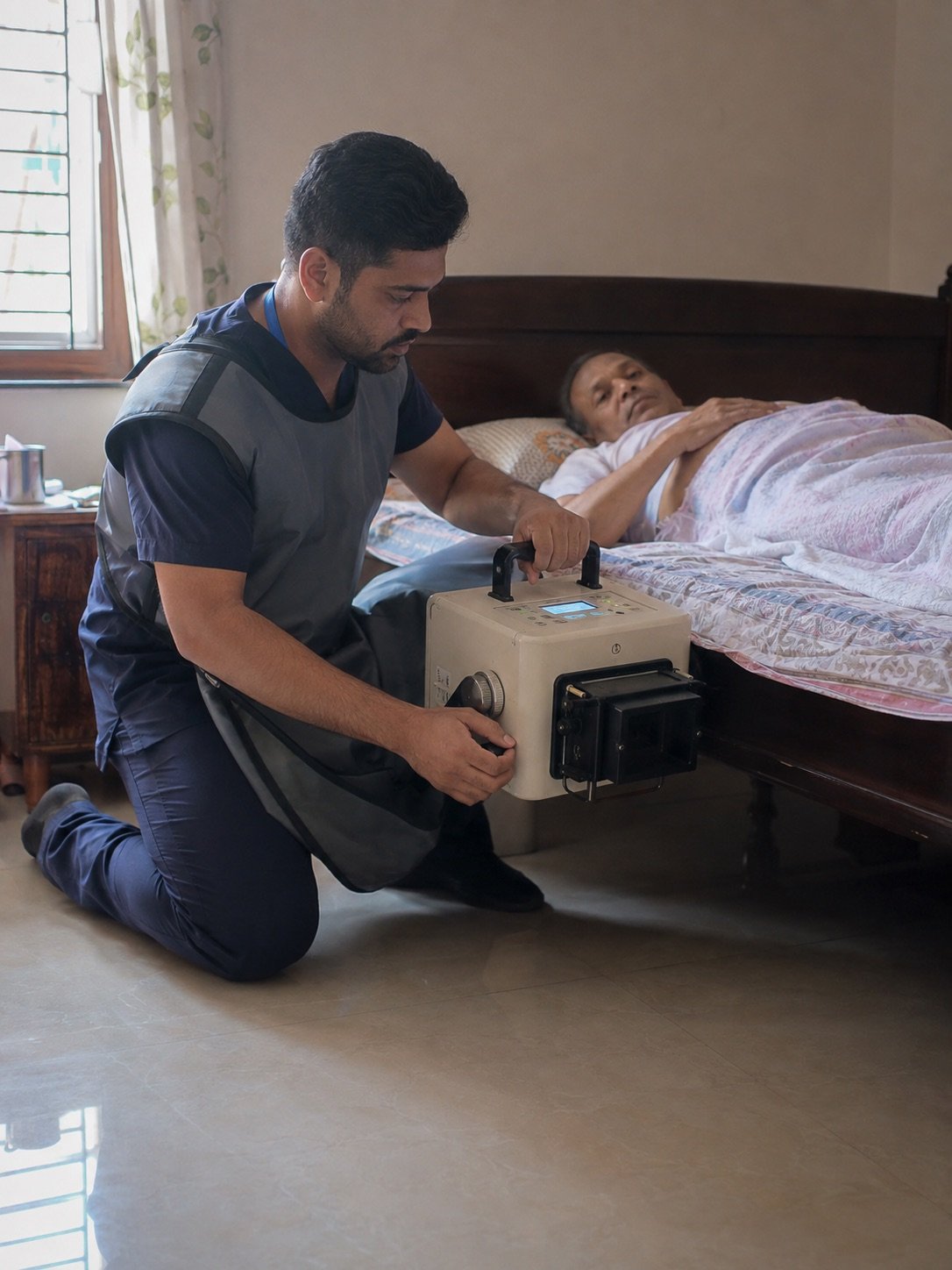
Illustrative image
Portable digital units operated only by qualified, registered radiographers.
Images reach you on WhatsApp or email right after the scan. Need printed films? We deliver them by Porter.
Every scan is read and signed by a certified radiologist, and the report reaches you on WhatsApp or email.
We work with families directly, and on contract with care homes and palliative units.
Who this is for
Moving a frail patient means arranging transport, a wheelchair or stretcher, an attendant, and often a long wait in a queue. For many of the families we work with, that journey carries more risk than the scan itself.
Where a car transfer means lifting, pain, and a long day out of routine.
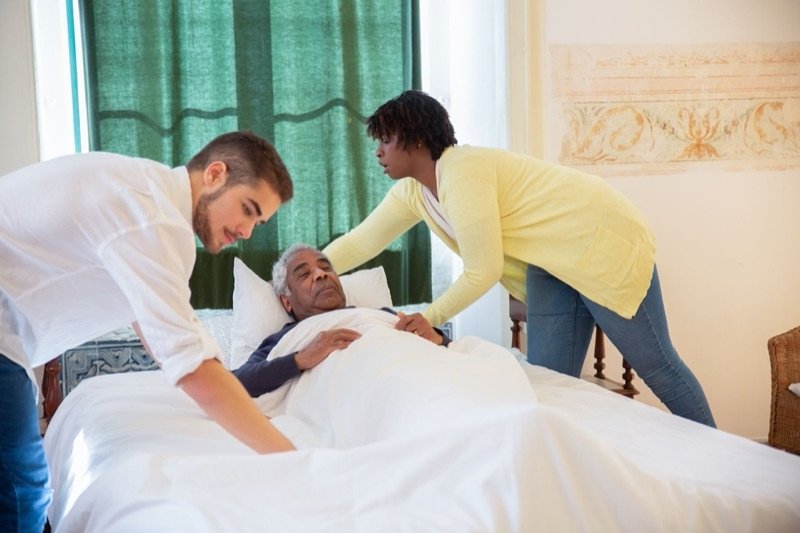
Follow-up films during recovery, without undoing the rest the patient needs.
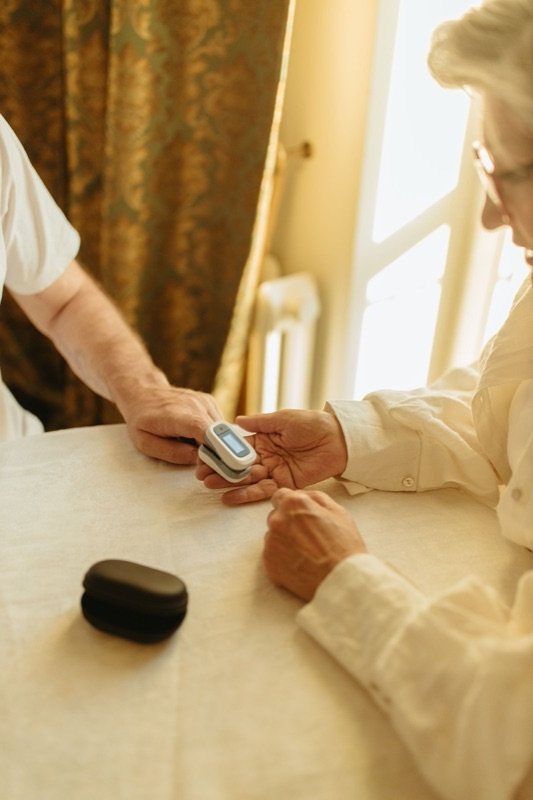
Where moving the patient means moving the equipment keeping them stable.
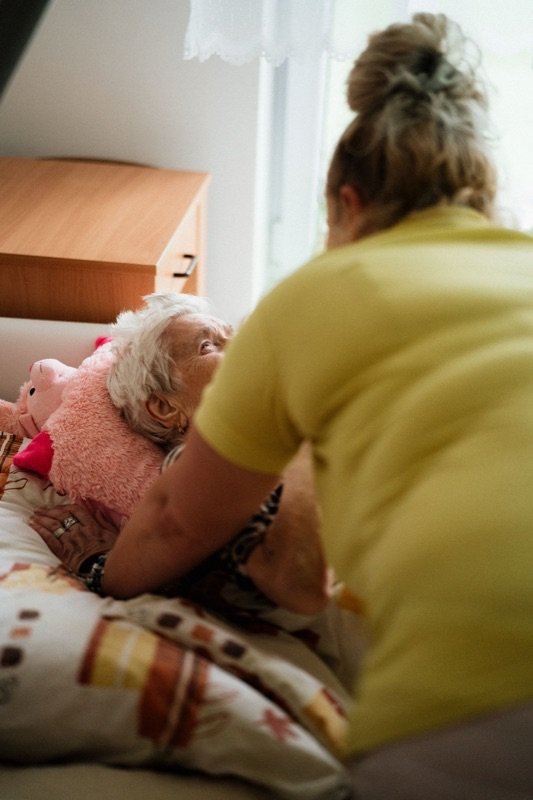
Chest films for suspected infection, taken with the patient in their own bed.
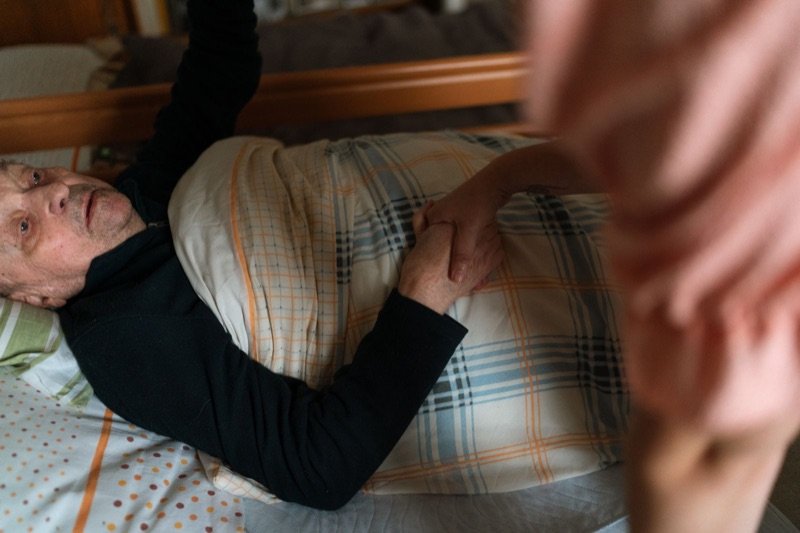
Unfamiliar hospital surroundings can distress a patient far more than the scan.
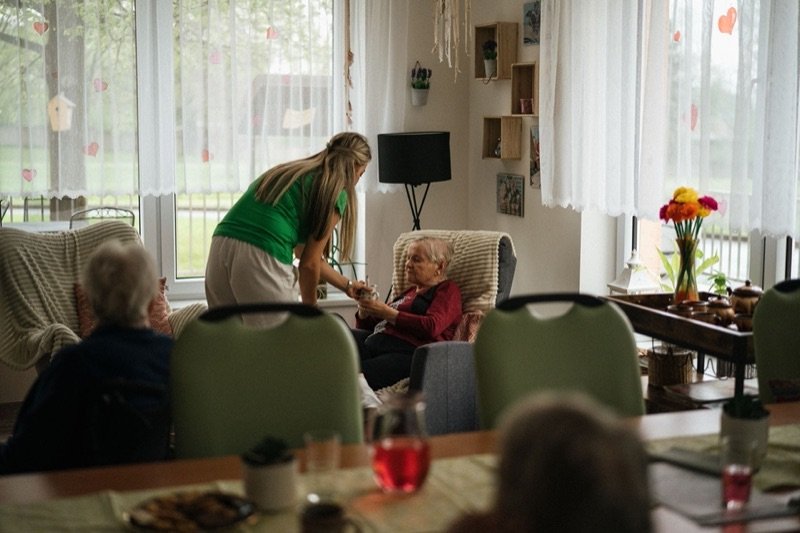
Scheduled visits for multiple residents, coordinated with your nursing staff.
How it works
The only thing we need from you is a phone call and your doctor's prescription. Everything after that is ours to organise.
Tell us the patient's condition, where they are, and which X-ray the doctor has asked for. We confirm within minutes whether it can be done at the bedside.
You get the technician's name and arrival window by SMS and WhatsApp. Most homes in our service area are reached within 90 minutes.
The portable unit comes to the bedside. We position the plate, shield everyone in the room, and take the images. The patient does not need to stand or transfer.
The digital images are sent to you on WhatsApp or email as soon as the scan is done. A certified radiologist then reviews them and issues a signed report. If you would like printed films, we send those to you by Porter.
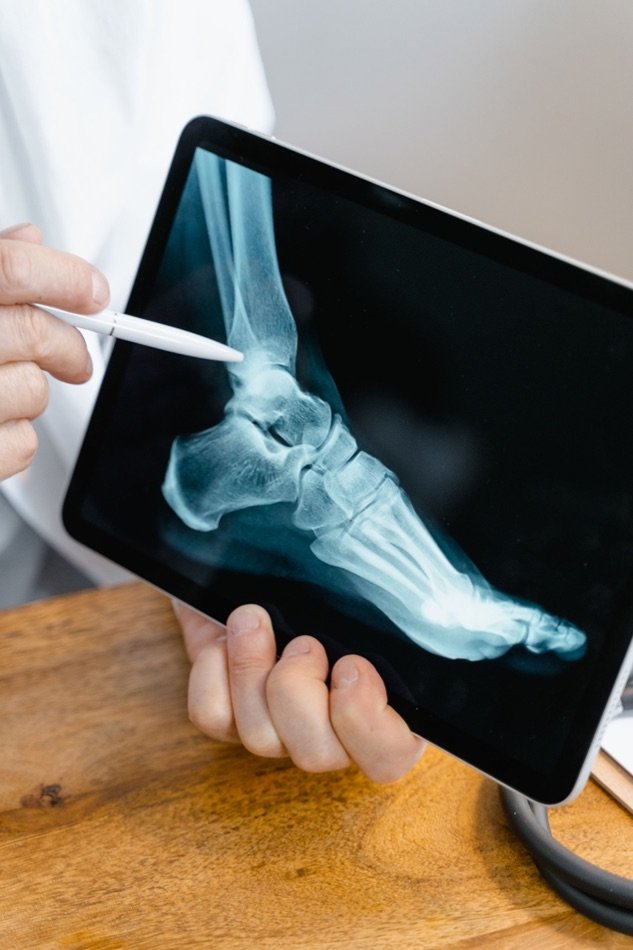
Images are delivered digitally — viewable on any phone, and forwardable to any doctor.
The equipment we bring
This is what arrives at your door. Both pieces are carried by hand, run on a normal wall socket, and set up beside the bed in a few minutes.
These are advanced digital radiography systems, not cut-down travel units. The flat-panel detector is the same technology used in hospital X-ray rooms, and it resolves the same detail your radiologist expects to see.
We guarantee the diagnostic quality of every image. The radiographer checks each one on screen before leaving. If any view is not clear enough to report, we retake it there and then — and if we still cannot get a diagnostic image, you pay nothing.
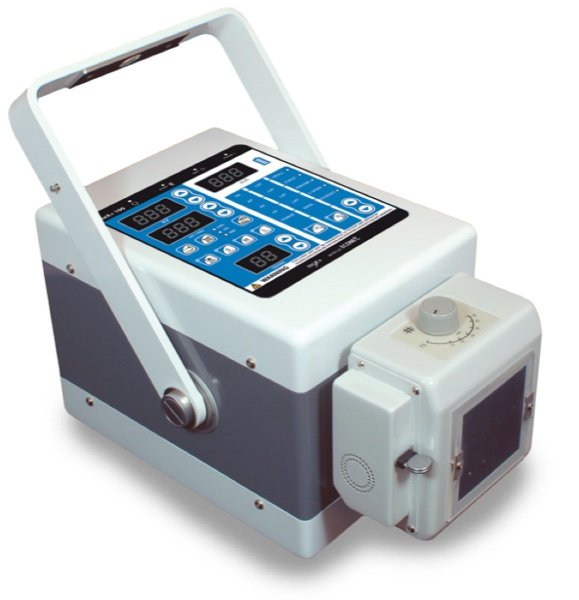
The tube head and controls in a single carry case. The radiographer sets the exposure on the panel, positions the collimator over the area being imaged, and triggers it from a distance.
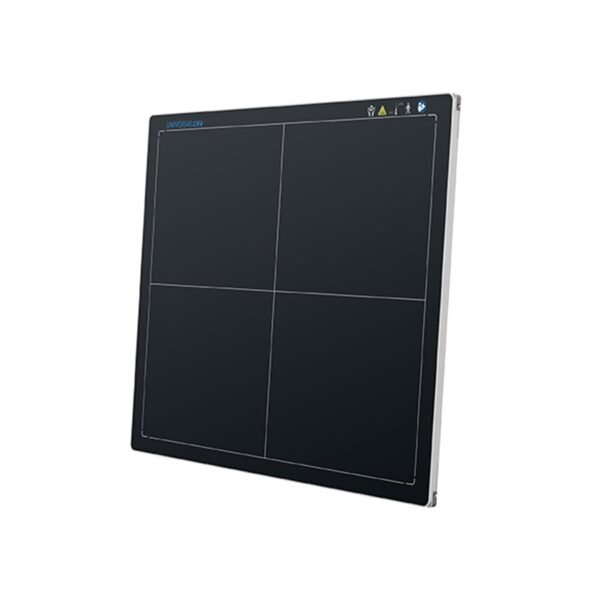
This slides under the patient in place of old-style film cassettes. The image appears on screen within seconds, so we can confirm the view is good before packing up — no repeat visits for an unusable film.
What we can scan at home
Portable equipment covers the majority of everyday X-ray requests. A few views need a fixed machine — we will tell you honestly when that is the case rather than making a wasted visit.
Radiation safety
Bringing an X-ray into a home raises a fair concern: is it safe for everyone else in the house? Here is exactly how we handle it.
What families say
Request a callback
Three details are enough to get started. We'll call to confirm the scan type, the slot, and the cost before anyone is dispatched — no charge until you agree.
Hours: Open 24 hours, all seven days
Questions
Yes. An X-ray is a prescribed investigation, so we need a referral from a registered medical practitioner before we can scan. A clear photo of the prescription sent on WhatsApp is enough — we don't need the original.
Enough to stand the portable unit beside the bed and step back a few metres — roughly the space you'd need to walk around one side of the bed. Narrow rooms are usually fine. If access is genuinely too tight, we'll tell you on the call rather than after arriving.
Yes, with the standard precautions we follow on every visit. The beam is collimated to the area being imaged, anyone assisting wears a lead apron, and everyone else steps out of the room for the few seconds of exposure. See the radiation safety section for the detail.
Usually within 2 hours of the scan, read and signed by a certified radiologist. The images themselves are available almost immediately if your doctor wants to look before the formal report is issued. Both come to you digitally.
It depends on the type of X-ray, how many views are needed, and the distance to your location. We quote the full amount on the call before dispatching anyone — there are no charges added afterwards, and nothing to pay if you decide not to go ahead.
Yes. We run scheduled visits for residential and palliative facilities, coordinated with your nursing staff, and can cover several residents in a single visit. Get in touch to discuss a standing arrangement.